
How to get rid of winter grass in your lawn
Winter grass is best stopped before it starts: apply pre-emergent in March, before it germinates with the autumn rains. Spray any that gets through in June or July with a product labelled for winter grass and safe on your lawn, before it sets seed. Then core the compacted, damp spots where it thrives so it has less to come back to.
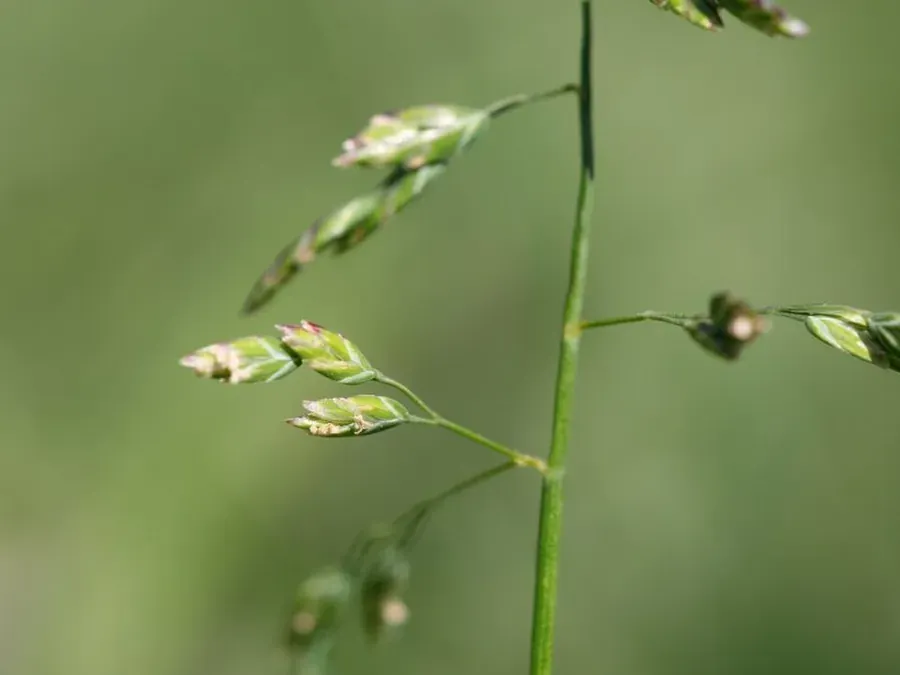
Winter grass. Photo: Kristian Peters, Wikimedia Commons, CC BY-SA 3.0.

How to recognise it
Section titled “How to recognise it”Winter grass (Poa annua) is an annual grass weed.
- Look: soft, light-green tufts that stand out against a dormant couch or kikuyu lawn.
- Seed heads: small, white-green seed heads that keep forming even when it’s mown short.
- Season: it comes up in autumn, grows through winter and spring, then dies off in summer heat, leaving bare patches right when you want the lawn at its best.
- What it means: wet, compacted or shaded soil and a thin winter lawn.
A single plant can drop thousands of seeds that sit in the soil for years, so one season of control is rarely the end of it.
Step 1: Pre-emergent in March
Section titled “Step 1: Pre-emergent in March”In Adelaide, winter grass germinates as nights cool and the first autumn rains arrive. Get pre-emergent down in March (early April at the latest).
- Mow first and apply evenly.
- Water in with about 10 mm.
- Don’t core or scarify afterwards, as that breaks the barrier.
- Don’t use it where you’re oversowing with ryegrass: it stops that seed too.
Step 2: Spray what gets through
Section titled “Step 2: Spray what gets through”In June or July, spray plants that have come up with a herbicide labelled for winter grass, before they seed.
- Check it’s safe on your grass. Not every winter grass product suits every lawn, and some broadleaf sprays harm buffalo or kikuyu.
- Spray on a calm day under 30°C.
- Keep watering and rain off it for a day.
Follow the label rate and safety directions. Treated plants yellow over a few weeks. Small patches can be dug out by hand instead, taking care to remove the whole clump.
Step 3: Fix the conditions
Section titled “Step 3: Fix the conditions”- Core in October where it grows thickest. It thrives in compacted soil, which is common on Adelaide clay.
- Ease off watering in autumn and winter. Wet soil favours it.
- Improve drainage in soggy low spots.
- Lift the mowing height in shady areas, and thin overhanging branches where you can.
- Feed in spring and autumn so the lawn is thick enough to compete.
Catch the seed
Section titled “Catch the seed”Mow with a catcher while it’s seeding in spring, and bin the clippings rather than composting them.
With Groundsman
Section titled “With Groundsman”- On the Garden tab, open Weeds, choose In my lawn and tap the winter grass photo.
- Tap I’ve got this, then Add its jobs. You get Pre-emergent for winter grass in March, Spray winter grass in June and July, and Aerate (winter grass) in October. See weeds.
- When each one is due it lands on the Today checklist. Tap How to mix and apply for the amount for your lawn.
- Tap Done. The pre-emergent is watered in for you; after the spray, scheduled watering is held so it isn’t washed off.
- To keep winter soil from staying soggy, turn Rain on in Settings so watering skips after rain, and use Seasonal adjust to cut back in the cooler months. See rain and weather.
Related
Section titled “Related”Groundsman · smart watering and lawn care for Adelaide homes ·hello@groundsman.au